Our coastline is home to threatened resident and migratory Shorebirds. From the Arctic to our Coast, these remarkable shorebirds connect our local coastline to one of the world’s great wildlife journeys. Explore the resources below and discover how you can help give migrating shorebirds the space they need to thrive!
The Journey
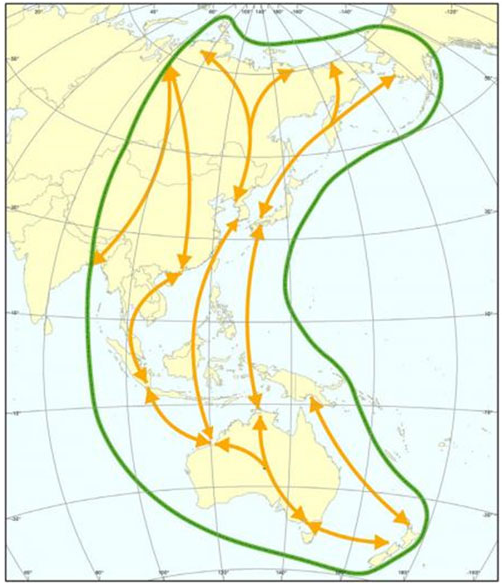
After travelling anywhere between 9,000 and 12,000 km, these remarkable shorebirds arrive on our coast to rest, feed and refuel.
Every year, migratory shorebirds make extraordinary journeys along the East Asian–Australasian Flyway, travelling from the Northern Hemisphere to Australia’s coastline. Some make their way to our coast, where our beaches and coastal wetlands provide important places to rest, feed and nest.
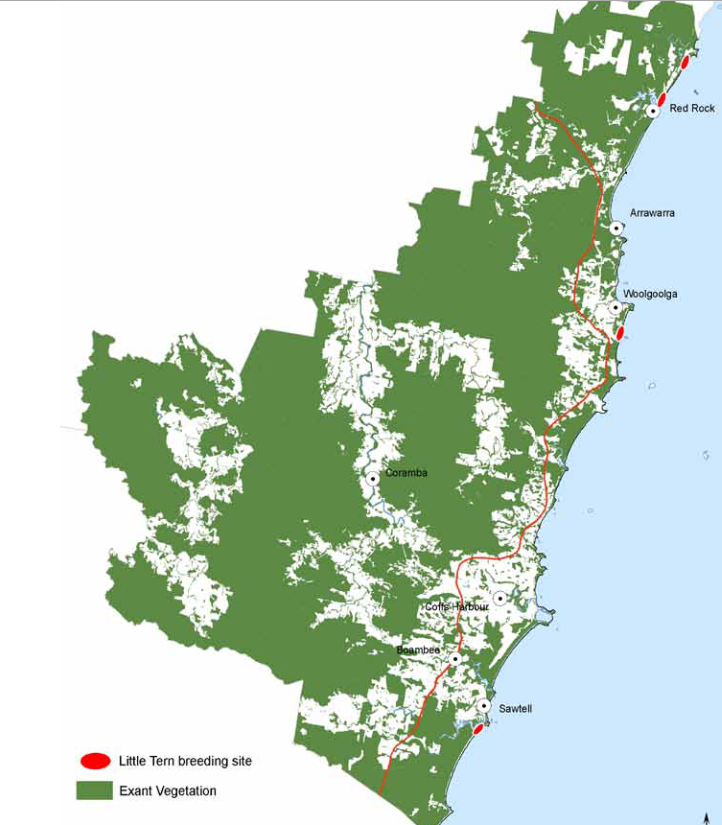
Some arrive right here on our coast and after such a long journey, they need places where they can safely rest and replenish their energy and make nests to lay their eggs. Coffs Harbour LGA includes a number of small- to medium-sized estuaries that support important populations of migratory shorebirds, including Corindi River; Station, Arrawarra, Moonee, Boambee and Bonville creeks; Sawtell Spit and Hearnes Lake.
DISCOVER
Discover why our coast matters to shorebirds and how we can all help Share the Shore.
Hear from Garlambirla Guuyu-girrwaa Aboriginal Elders Corporation, National Parks and Wildlife Service NSW and the City of Coffs Harbour Sustainable Living program to learn about why these remarkable birds’ matter, and what we can all do to help keep the Coffs Coast a safe place for them.
MEET THE BIRD SPECIES!
From tiny sandpipers to the striking Eastern Curlew, our coast is home to a variety of shorebirds throughout the year.
Get to know some of the species you might spot along our beaches, estuaries and wetlands. Busy beaches, dogs, people and other disturbances can make it difficult for birds to get the food and rest they need. Giving shorebirds some space is one of the simplest ways we can all help to make a difference.
Observing the shorebirds through a pair of binoculars is the best way to spot which species are visiting your areas. Check out the list below, do any of these look familiar to you?
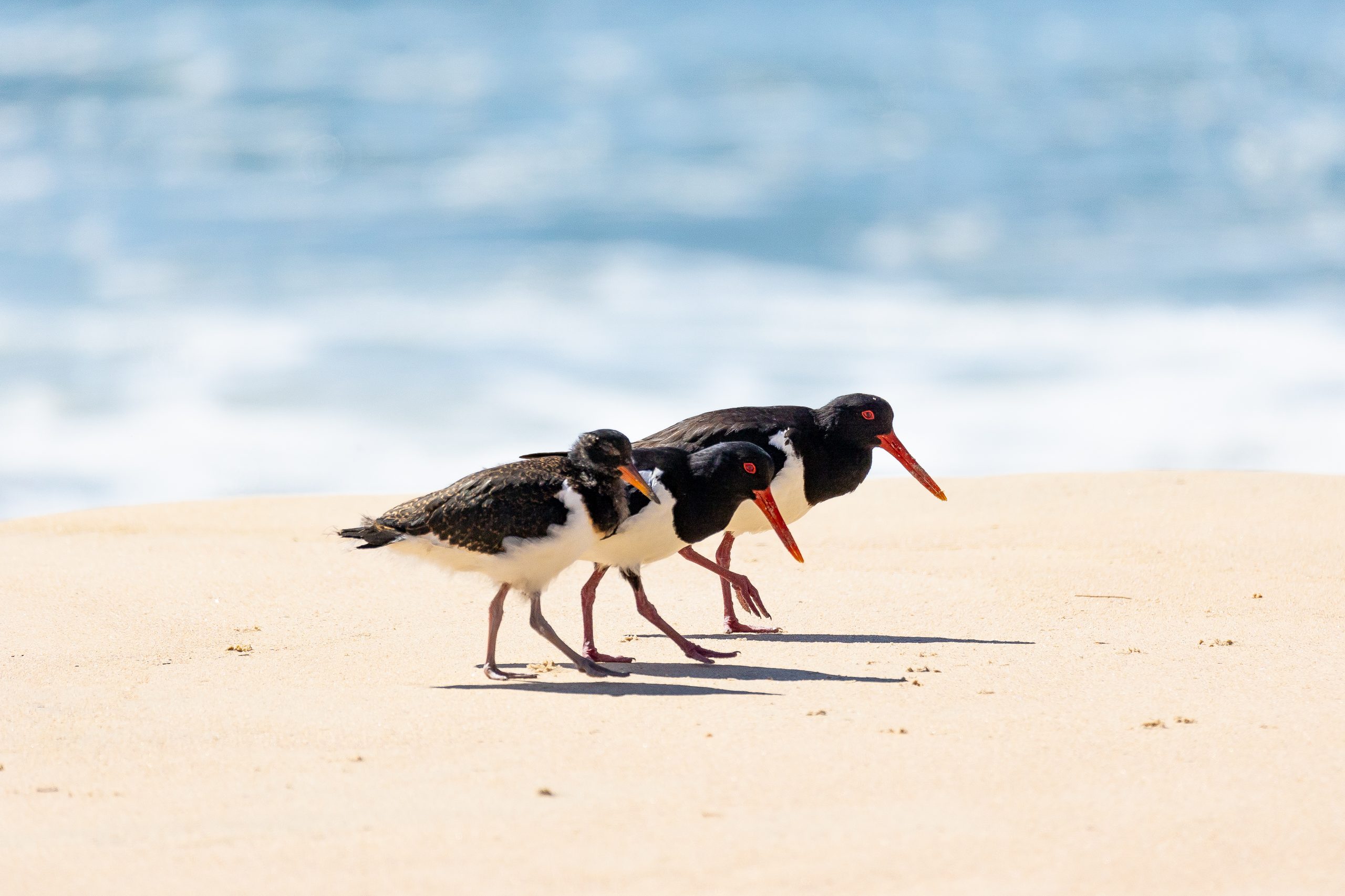
Pied Oystercatcher
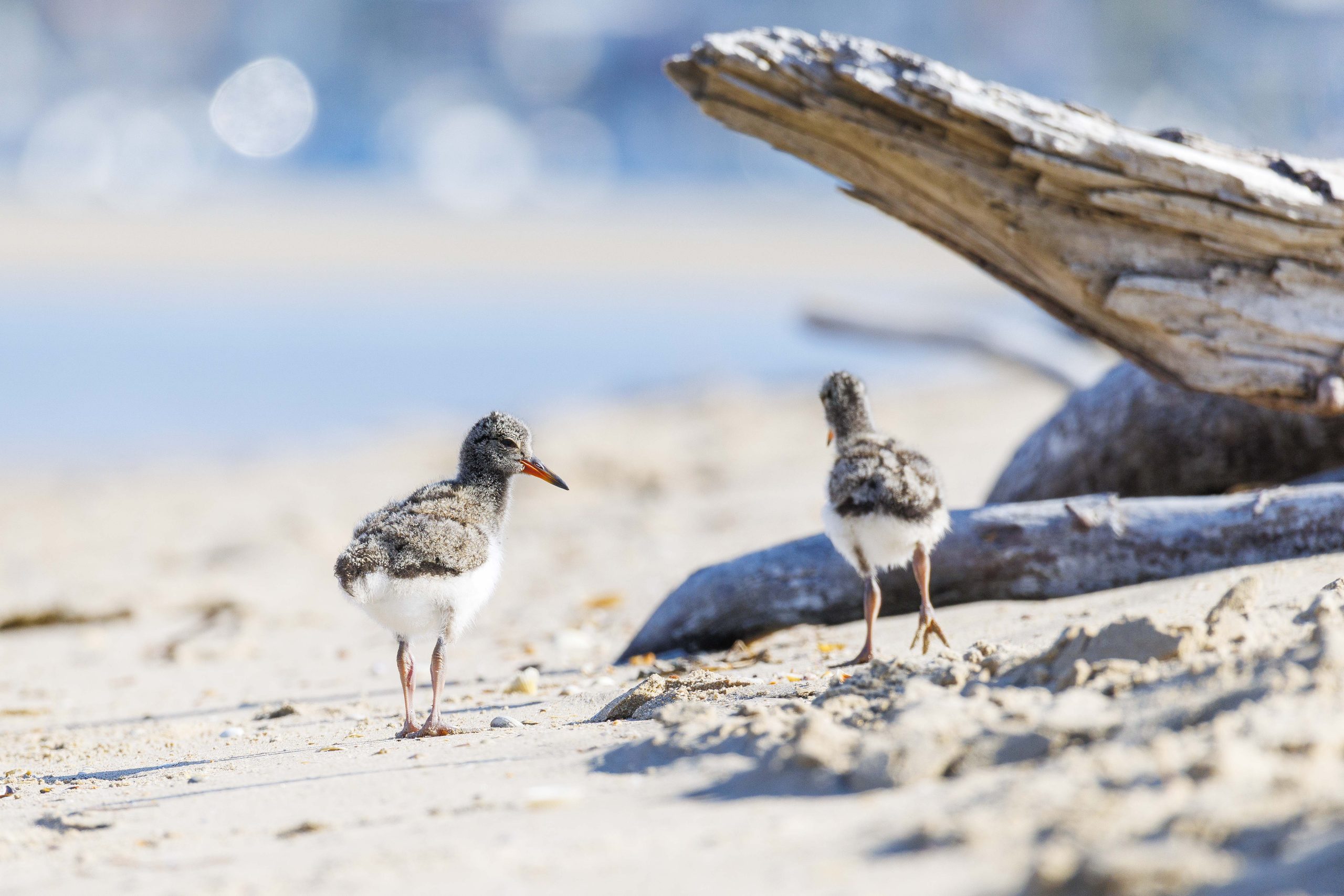
Pied Oystercatchers have powerful orange-red bills that they use to prise open shellfish, break apart crabs and probe through sand and mud for food. They also nest directly on the beach, laying their eggs in shallow scrapes above the high-tide mark.
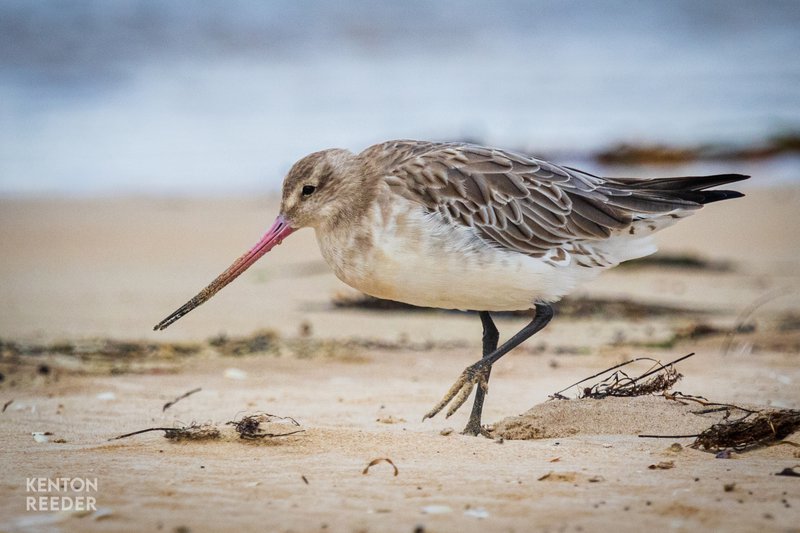
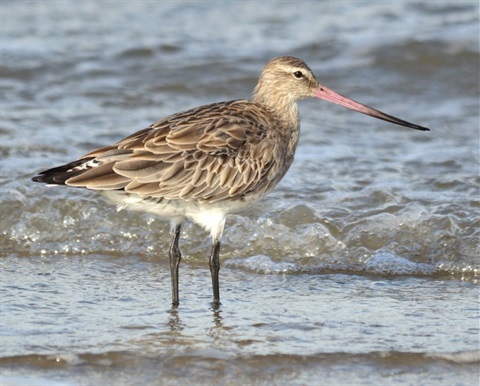
Bar-tailed Godwitcatcher
What an incredible migration bird! One Bar-tailed Godwit has been recorded flying 13,560 km non-stop from Alaska to Tasmania in just 11 days! Before making this journey, they build up substantial energy reserves, losing almost half its body weight during the flight. After arriving in Australia and here on the Coffs Coast, the Bar-tailed Godwits feed on coastal mudflats, estuaries and beaches, replenishing their energy before their return journey.
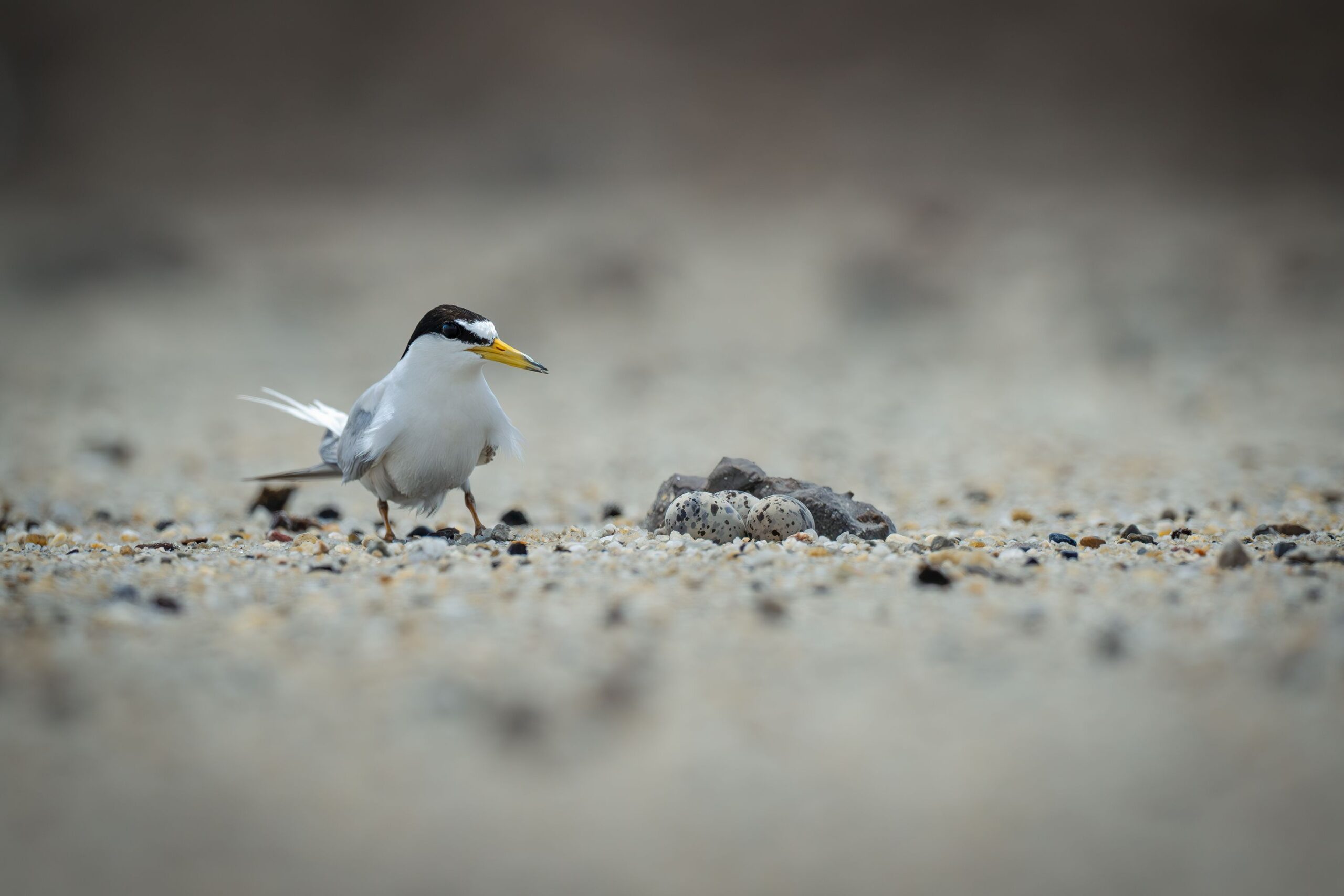
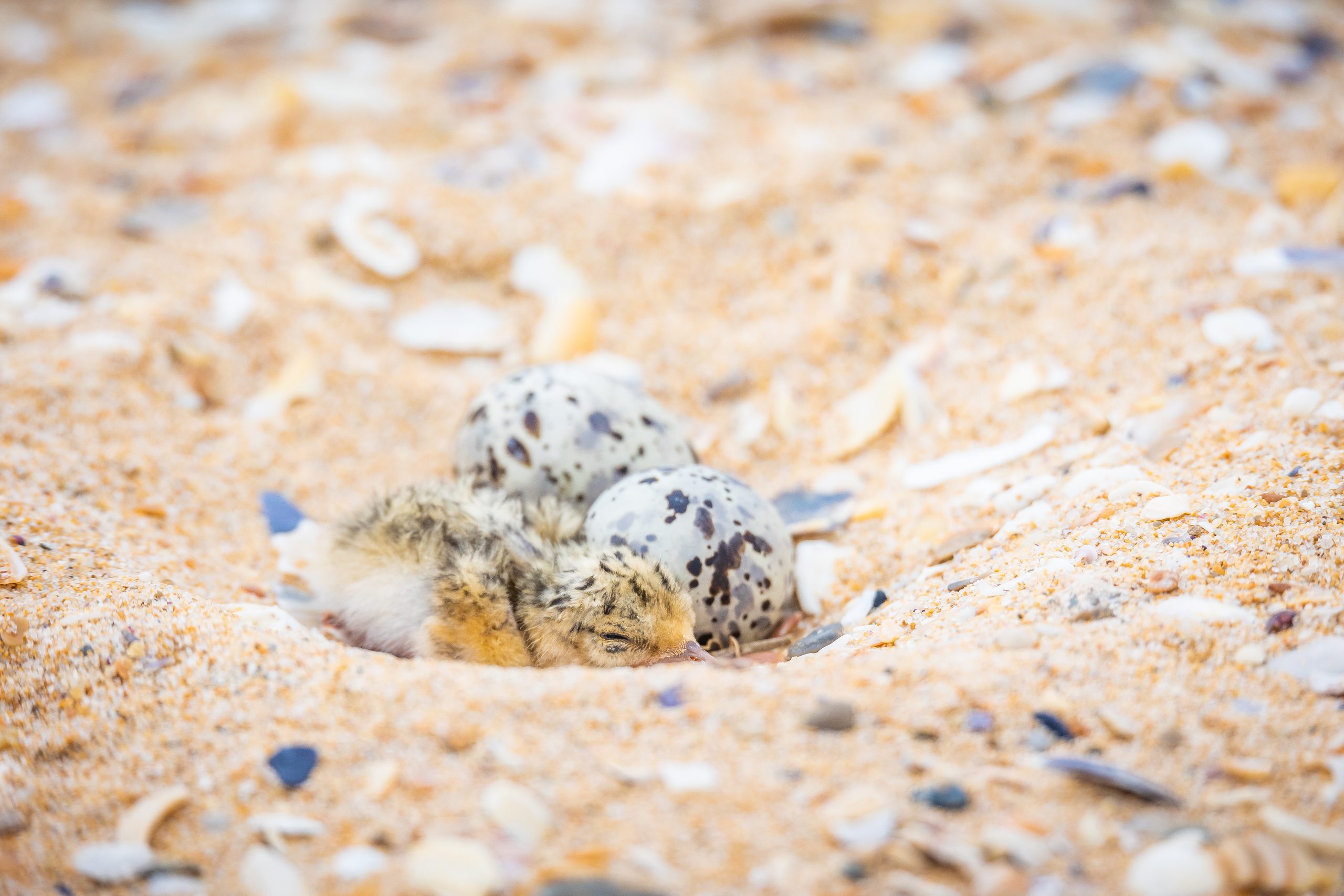
Little Tern
Tiny but mighty! Little Terns are only around 25 cm long – yet they can they can travel around 6,000 km each year between Australia and their northern hemisphere breeding grounds and they return to the same coastal areas to breed, including sites along the Coffs Coast.
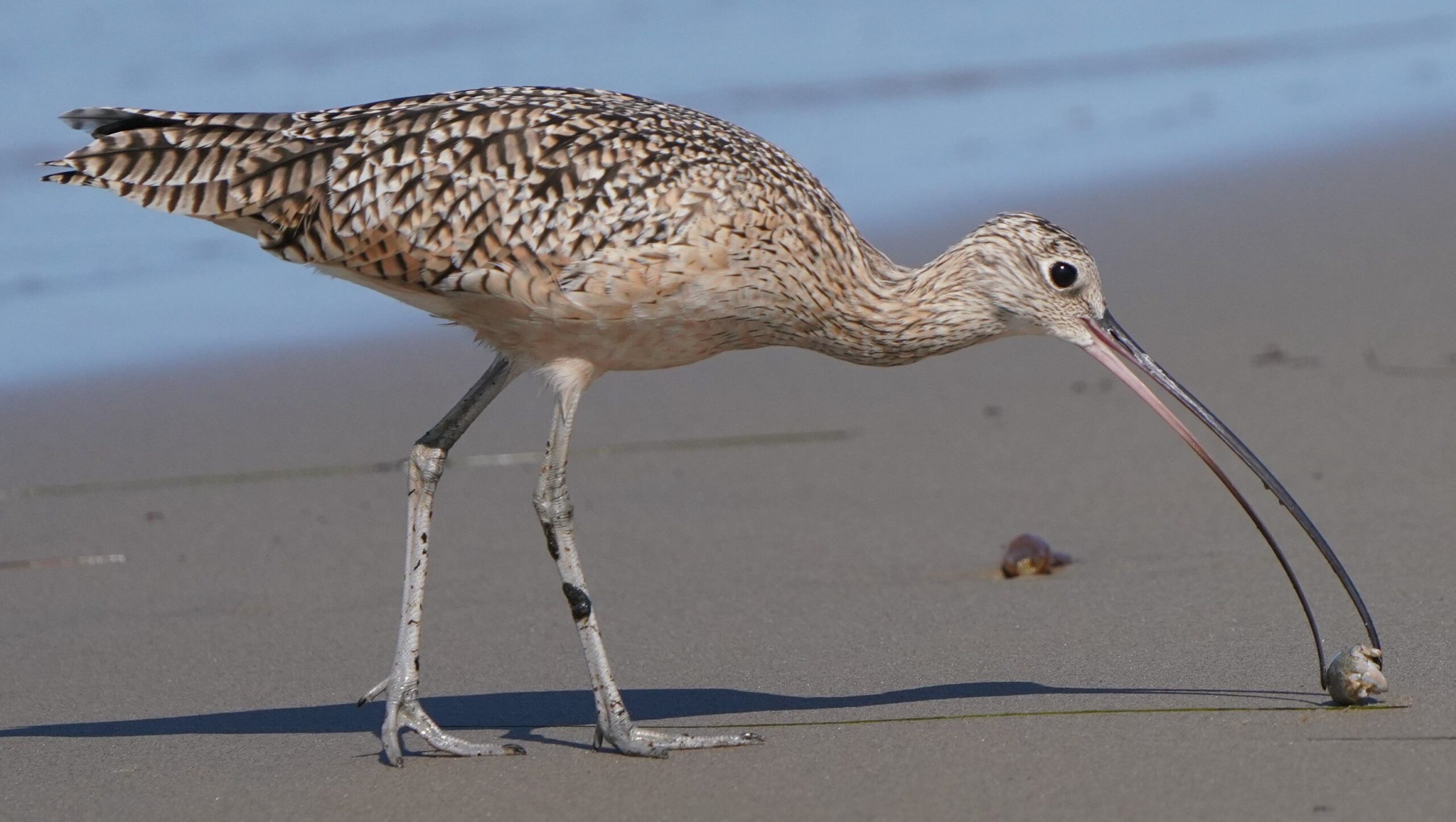
Eastern Curlew
The world’s largest migratory shorebird, the Eastern Curlew can grow to around 66 cm long. It travels from breeding grounds in Russia and China to Australia, where around 70% of the global population spends the non-breeding season feeding on coastal mudflats. The species is Critically Endangered, making these habitats particularly important. (Eastern curlew – DCCEEW)
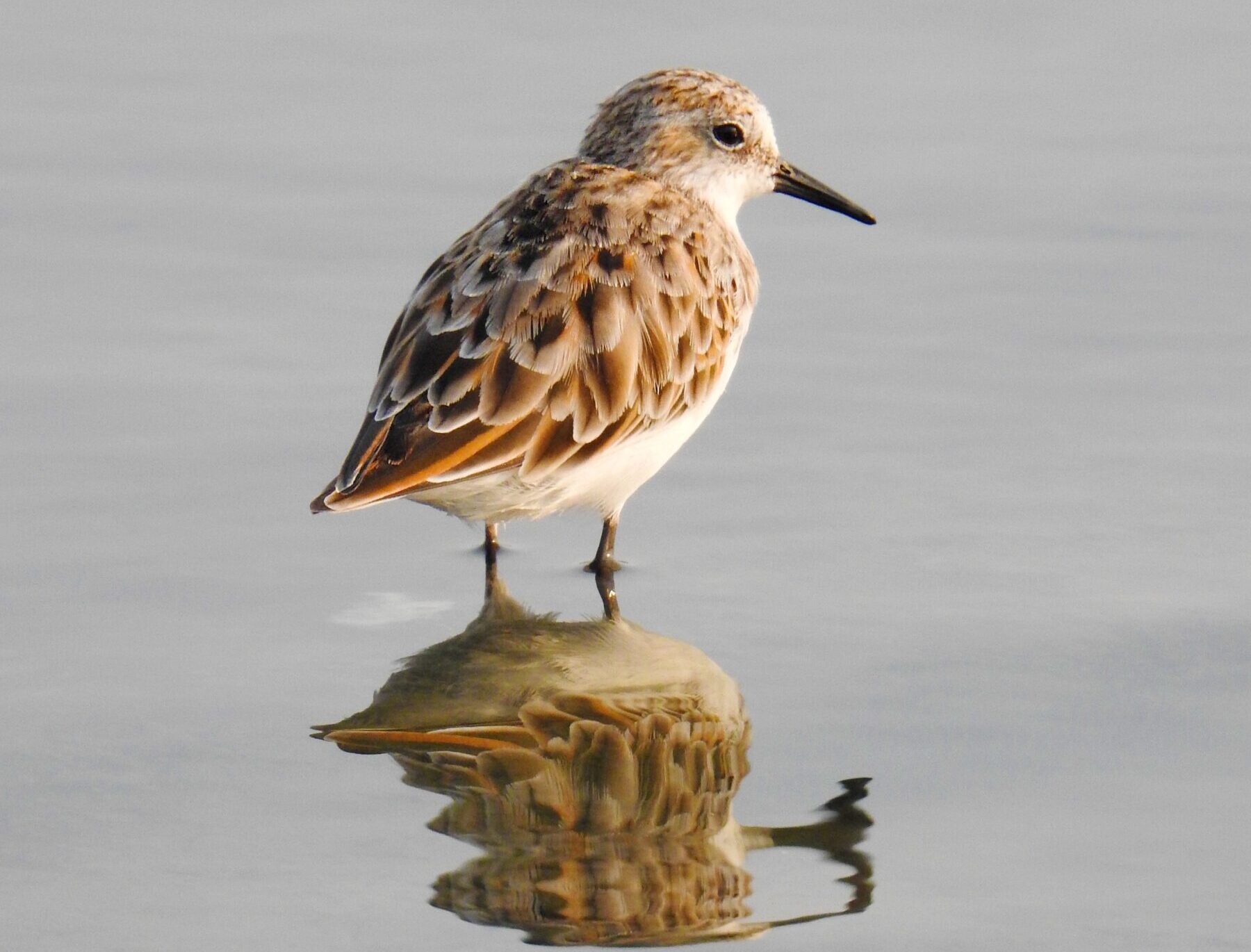
Red-necked Stint
Despite its tiny size, it makes an extraordinary migration between the Northern Hemisphere and Australia. DCCEEW says young shorebirds can increase their body mass by up to 80% before their first migration. (DCCEEW)
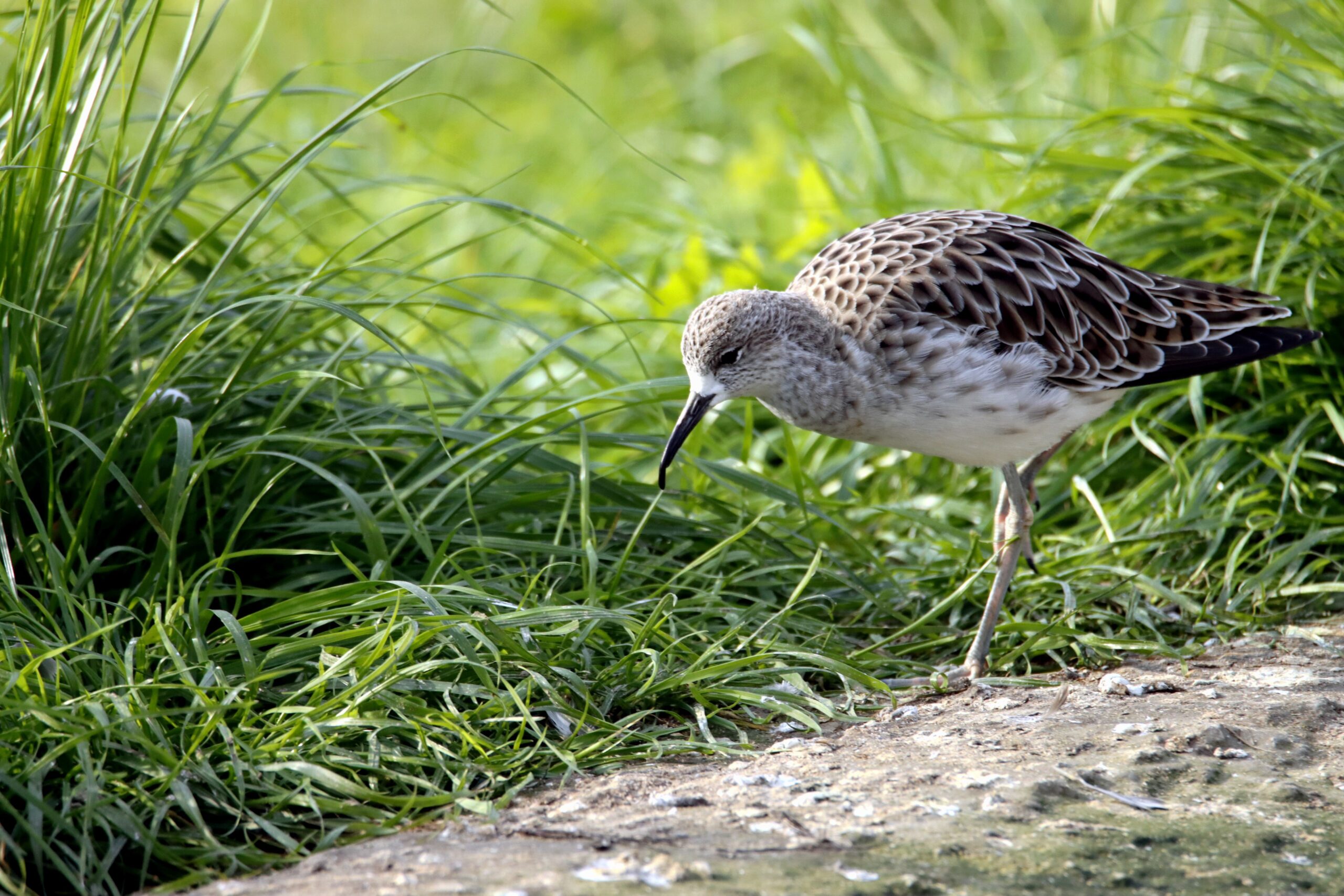
Great Knot
They’re tiny birds with a seriously long commute! The species is Critically Endangered, and its flyway population is estimated at around 400,000. (DCCEEW) Great Knots can travel around 8,000–10,000 km between their breeding grounds in northern Asia and Australia each year. Even more impressive, they can almost double their body weight before migration, storing fat to fuel their incredible journey.
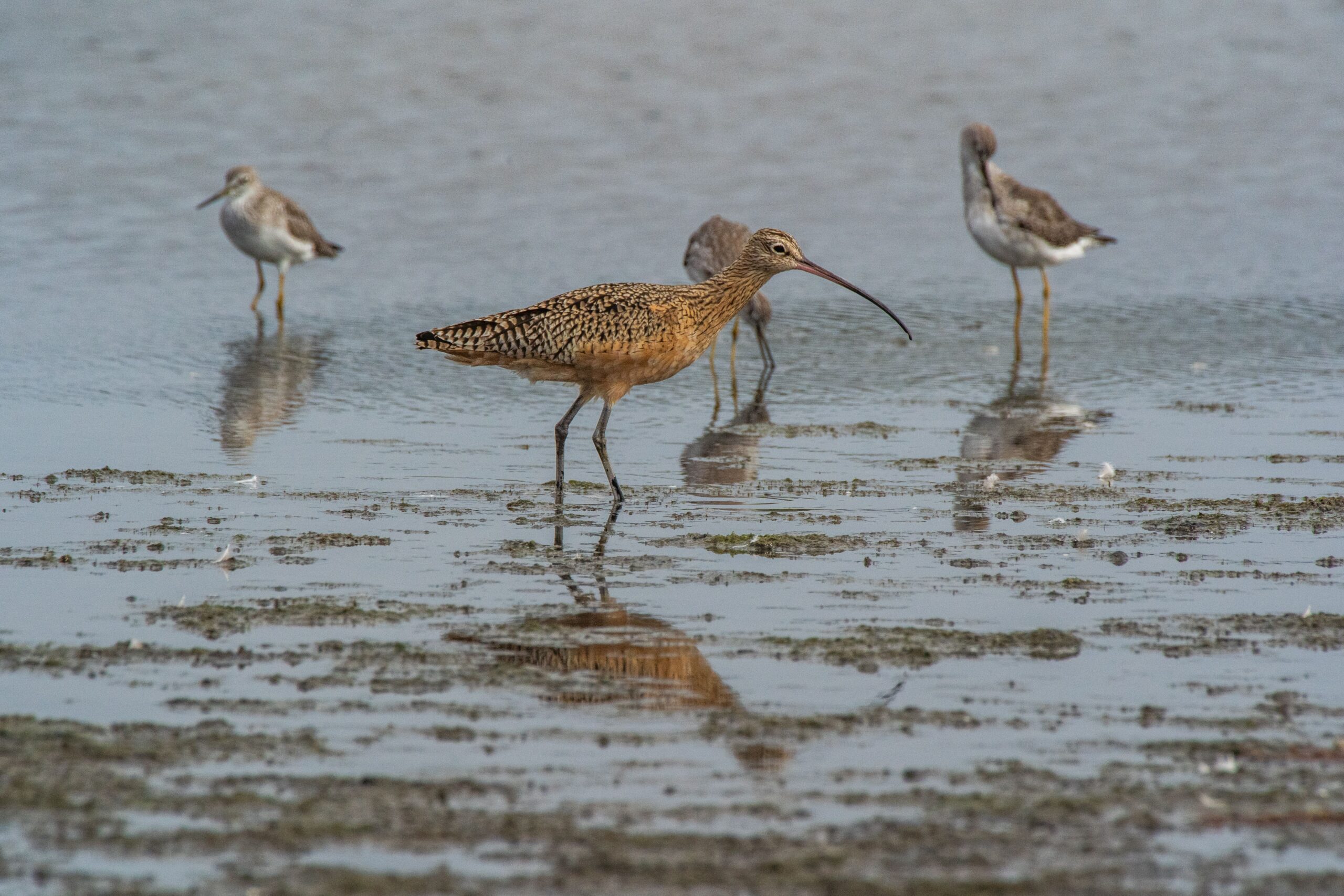
Curlew Sandpiper
Their slightly curved bill isn’t just for looks! Curlew Sandpipers use it like a little built-in probe, poking into mudflats to find hidden worms and other tasty treats. Its long, down-curved bill helps it probe mudflats for food. Its current flyway population estimate is about 120,000. (DCCEEW) Curlew Sandpipers are only around 20 cm long, yet they can travel more than 10,000 km between Siberia and Australia.
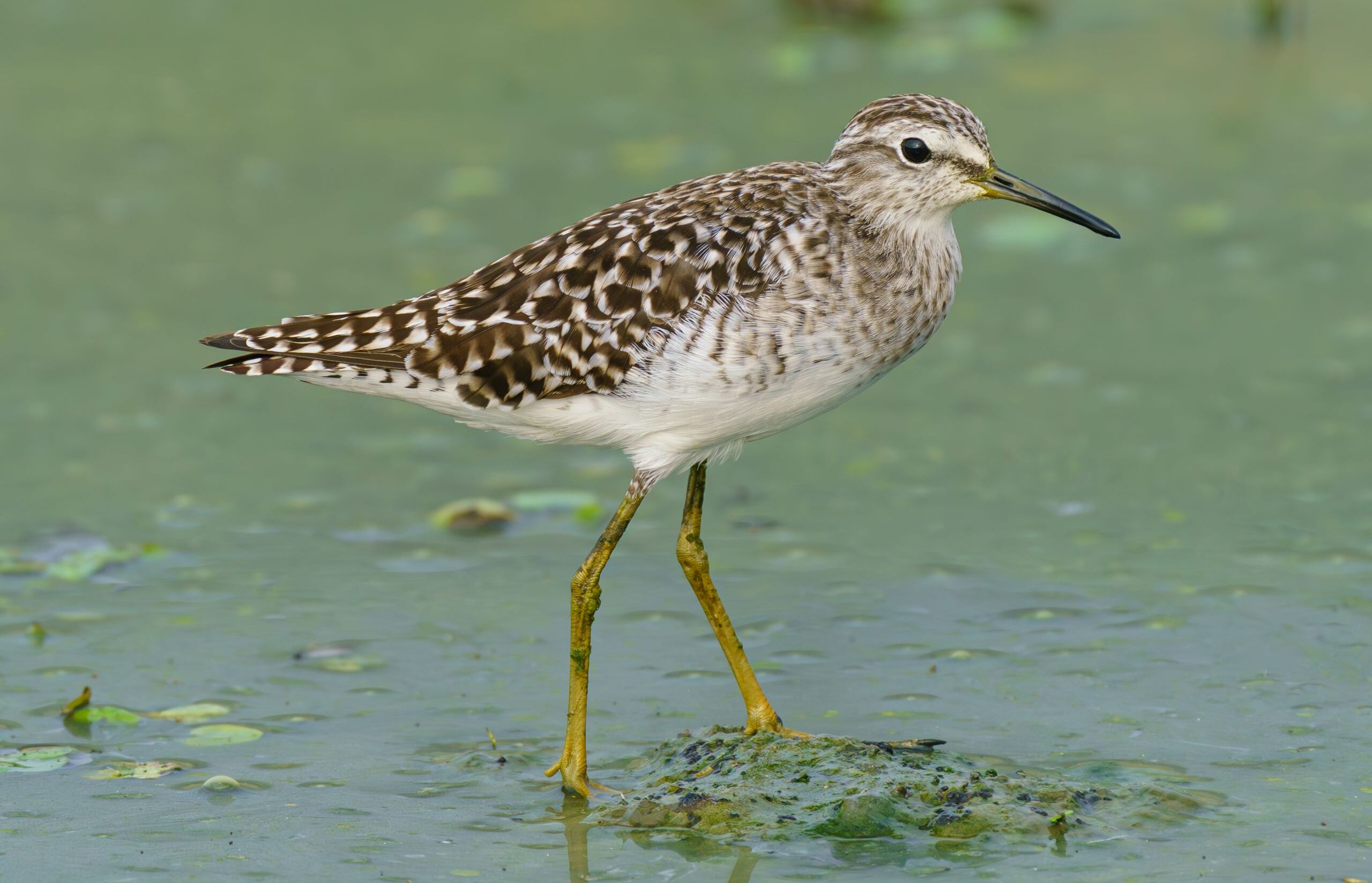
Sharp-tailed Sandpiper
Their slightly curved bill isn’t just for looks! Curlew Sandpipers use it like a little built-in probe, poking into mudflats to find hidden worms and other tasty treats. Its long, down-curved bill helps it probe mudflats for food. Its current flyway population estimate is about 120,000. (DCCEEW) Curlew Sandpipers are only around 20 cm long, yet they can travel more than 10,000 km between Siberia and Australia.
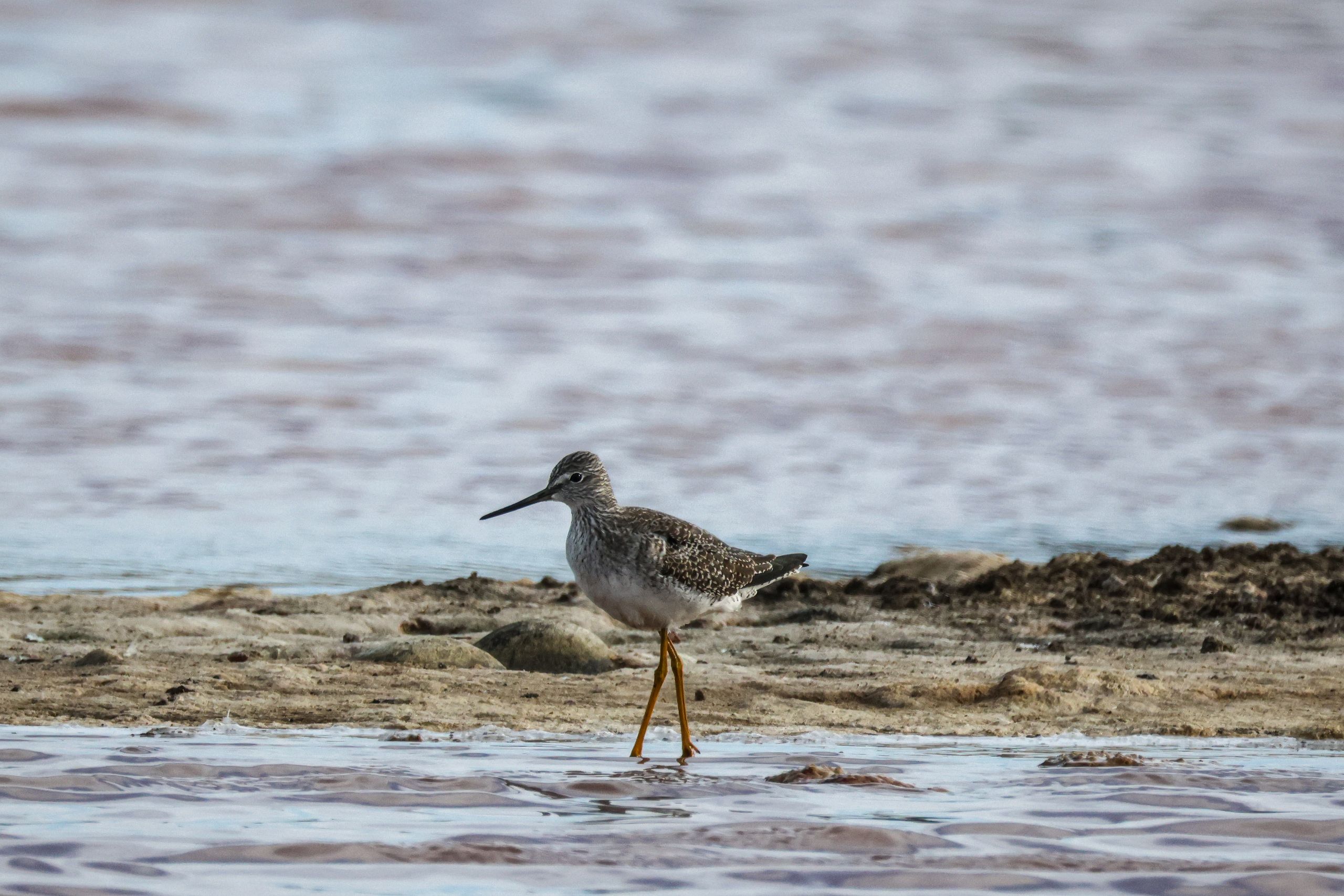
Terek Sandpiper
A shorebird with a difference! The Terek Sandpiper has an unusual upturned bill and a remarkably energetic feeding style. It moves quickly along muddy shorelines, pecking at the surface and probing shallow water for small crabs, insects and other invertebrates. (Terek Sandpiper – The Australian Museum)
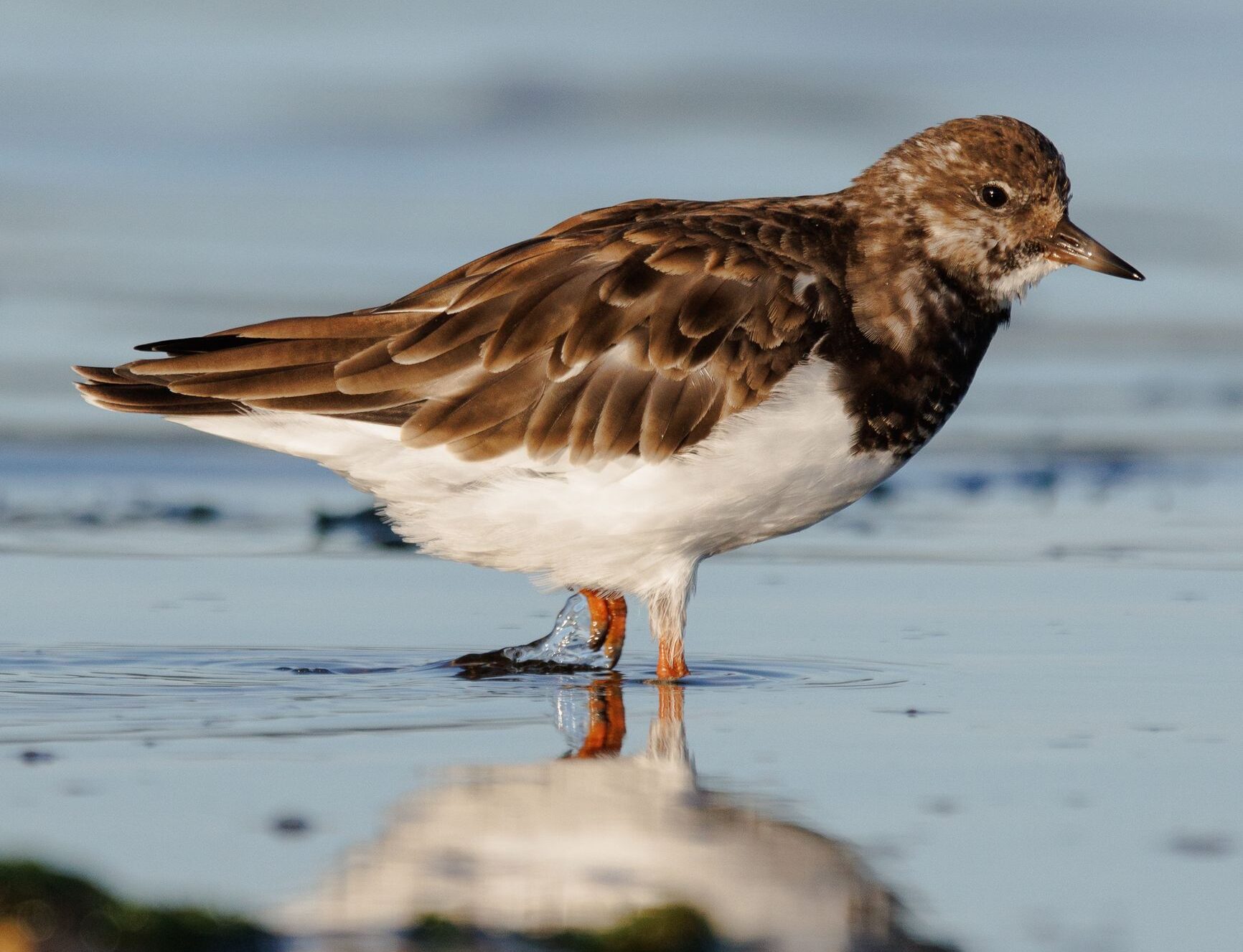
Ruddy Turnstone
Ruddy Turnstones are named for one of their most distinctive feeding behaviours. With their short, powerful bills, they can flip over stones, shells, seaweed and other debris to uncover insects and other small invertebrates hidden beneath. This makes them particularly well adapted to feeding across the changing intertidal zone, where food can be concealed beneath the surface. It is now listed as Vulnerable in Australia. (BirdLife Australia)
SHARE THE SHORE
When you’re enjoying the coast, look out for the birds around you and give the shorebirds plenty of space.
Give birds space | Stay outside fenced areas or nesting areas, walking alone the tide line is the best approach. |
Keep dogs under effective control | Put them on a leash and keep them away from resting and feeding birds. |
Watch from a distance | Take you use binoculars to the beach and zoom in rather than getting too close. |
Leave birds to feed and rest | Don’t approach them or chase them, respect their space |
Share the message! | Share the Shore messaging with your friends and family! |
Download the garlambirla birdlife book
GET INVOLVED
There are plenty of ways to discover more about the shorebirds that visit the Coffs Coast and play a part in protecting them. Join a guided walk, take part in a community activity, learn how to identify the birds you see, or simply share what you’ve learned with friends, family and visitors. Every one of us can help make our coastline a safer place for shorebirds, check out the list below and get involved!
Dogs Breakfasts & outreach stalls
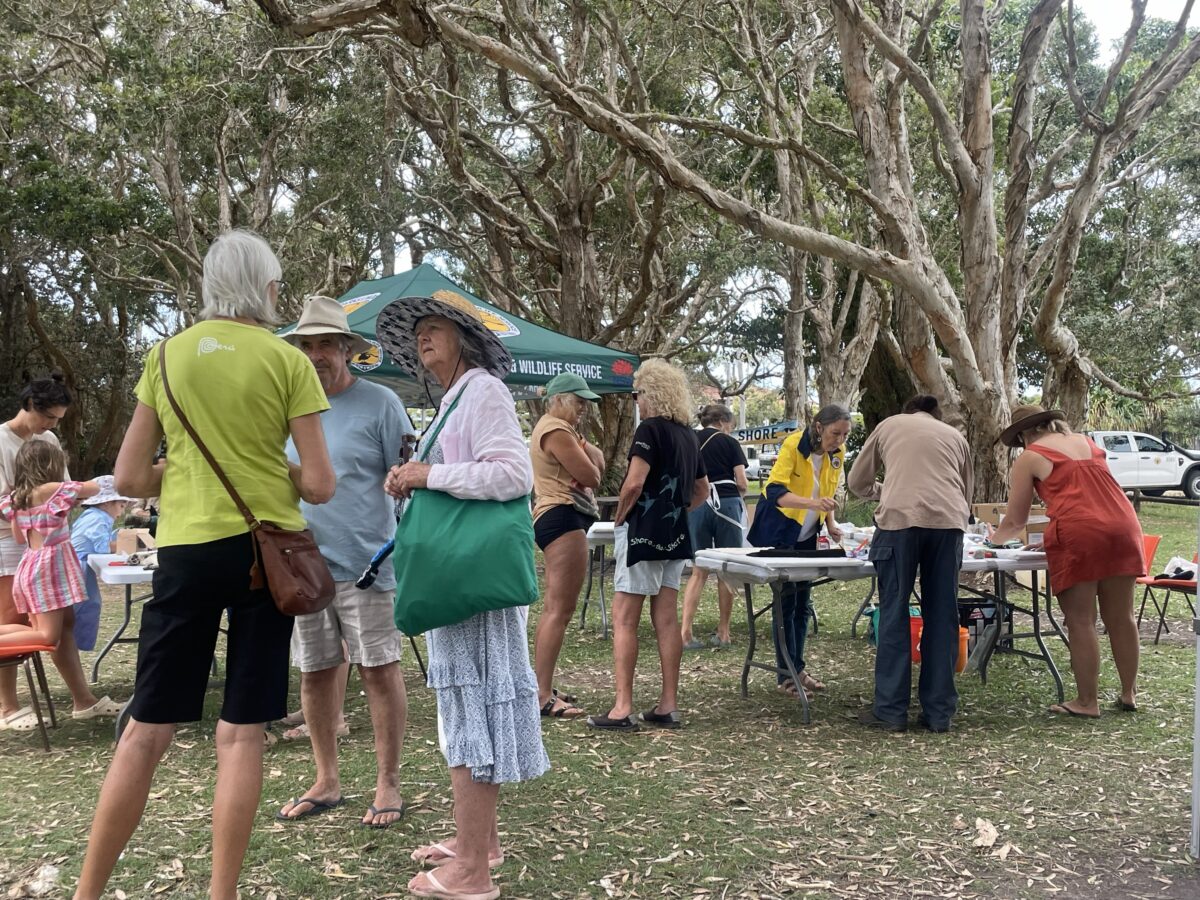
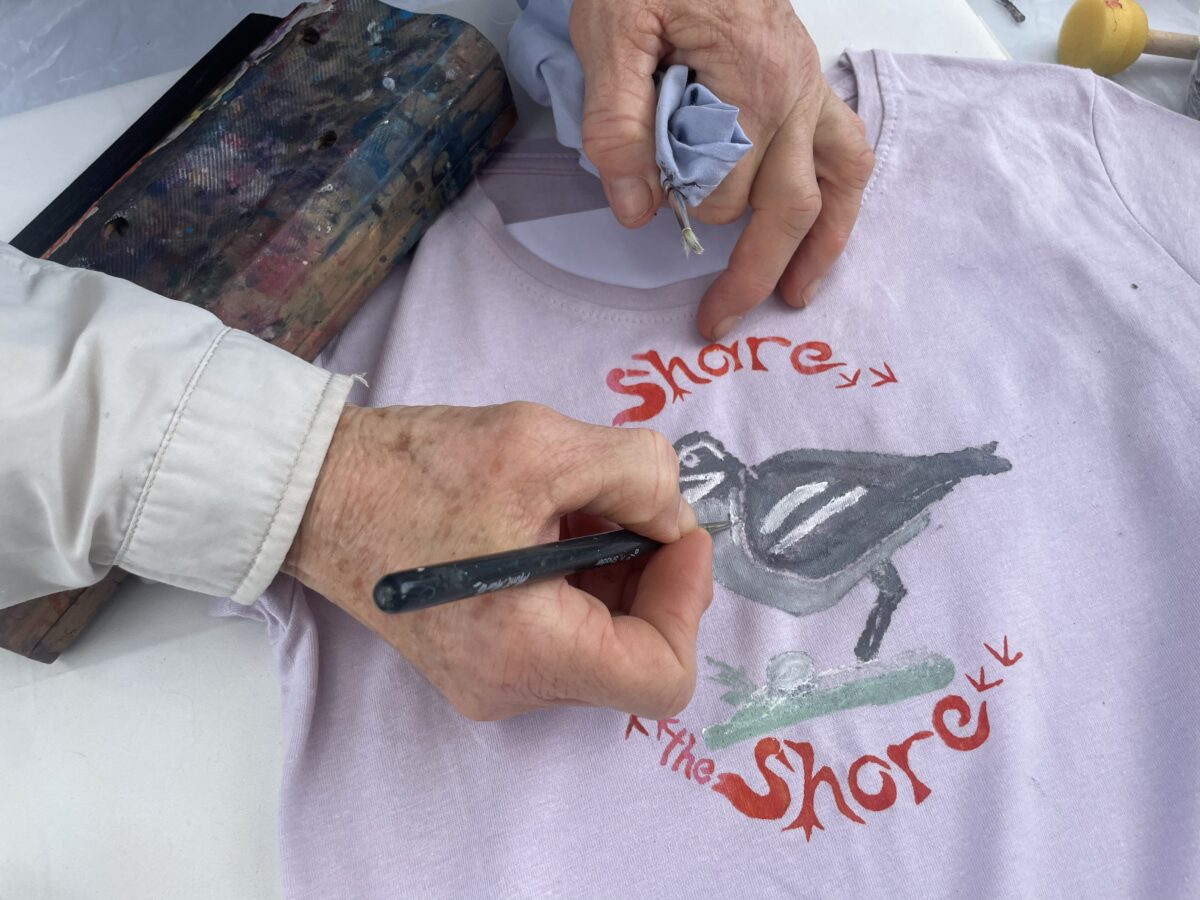
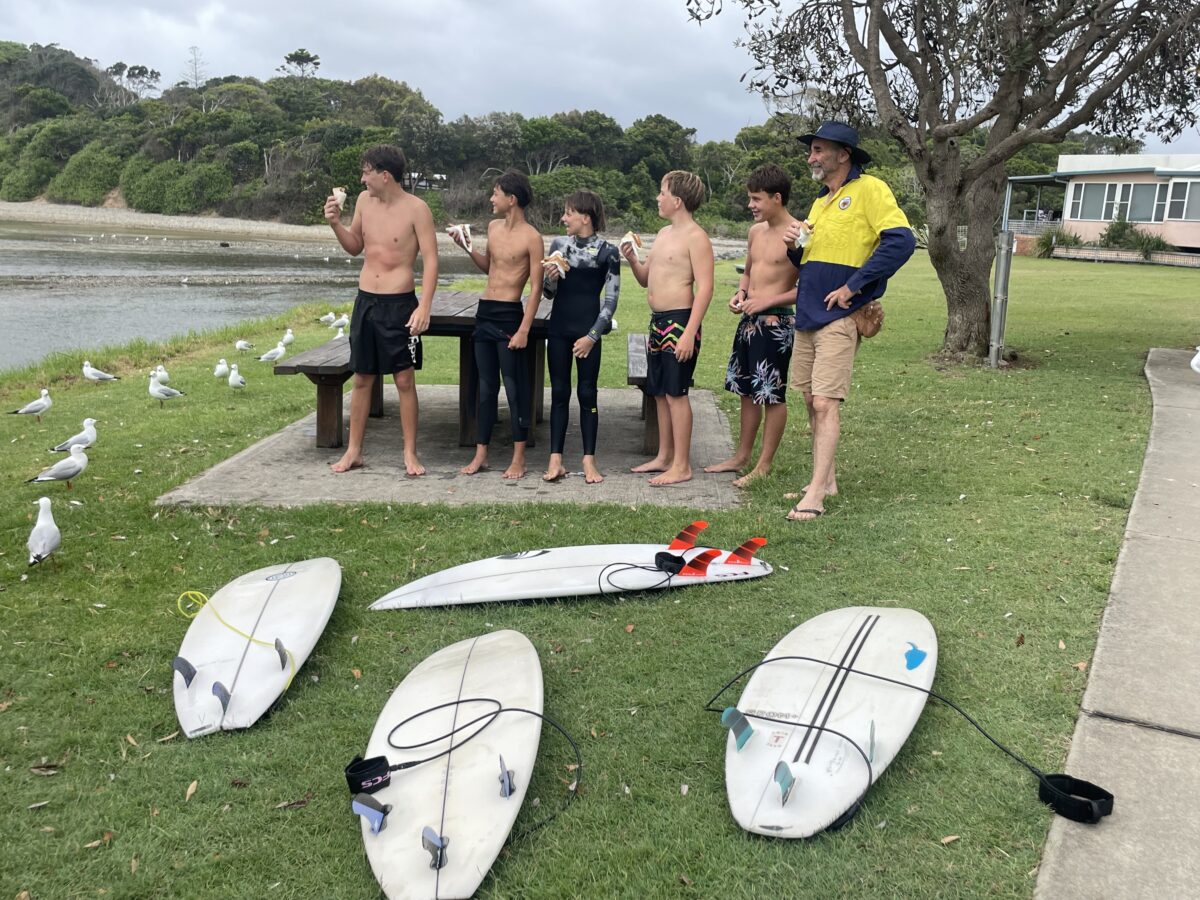
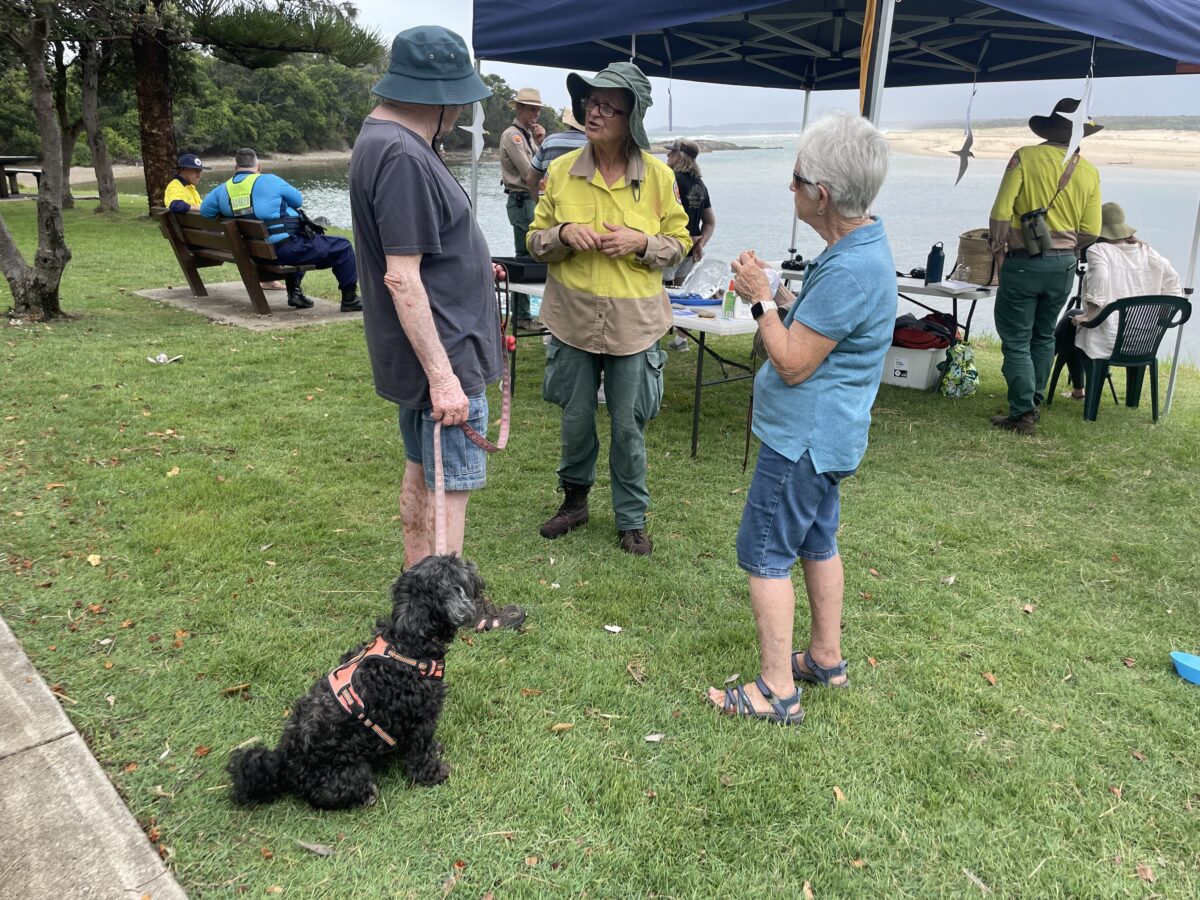
Keep an eye out for our Dogs Breakfasts and community outreach stalls happening across the during shorebird season. These events are a collaboration between Local Councils and NSW NPWS. Come along for a chat, learn more about the shorebirds that share our beaches, grab a bite to eat, pick up some handy tips for enjoying the coast with your dog, and find out how small changes can help give shorebirds the space they need.
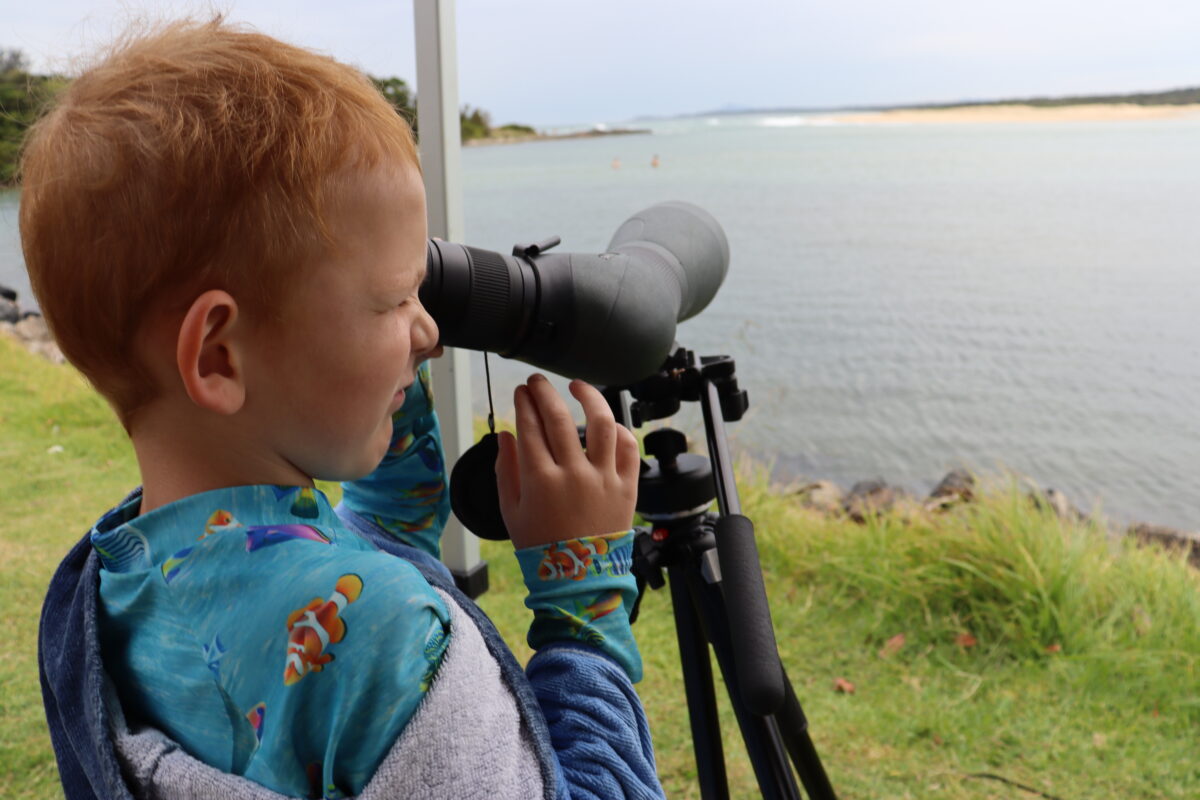
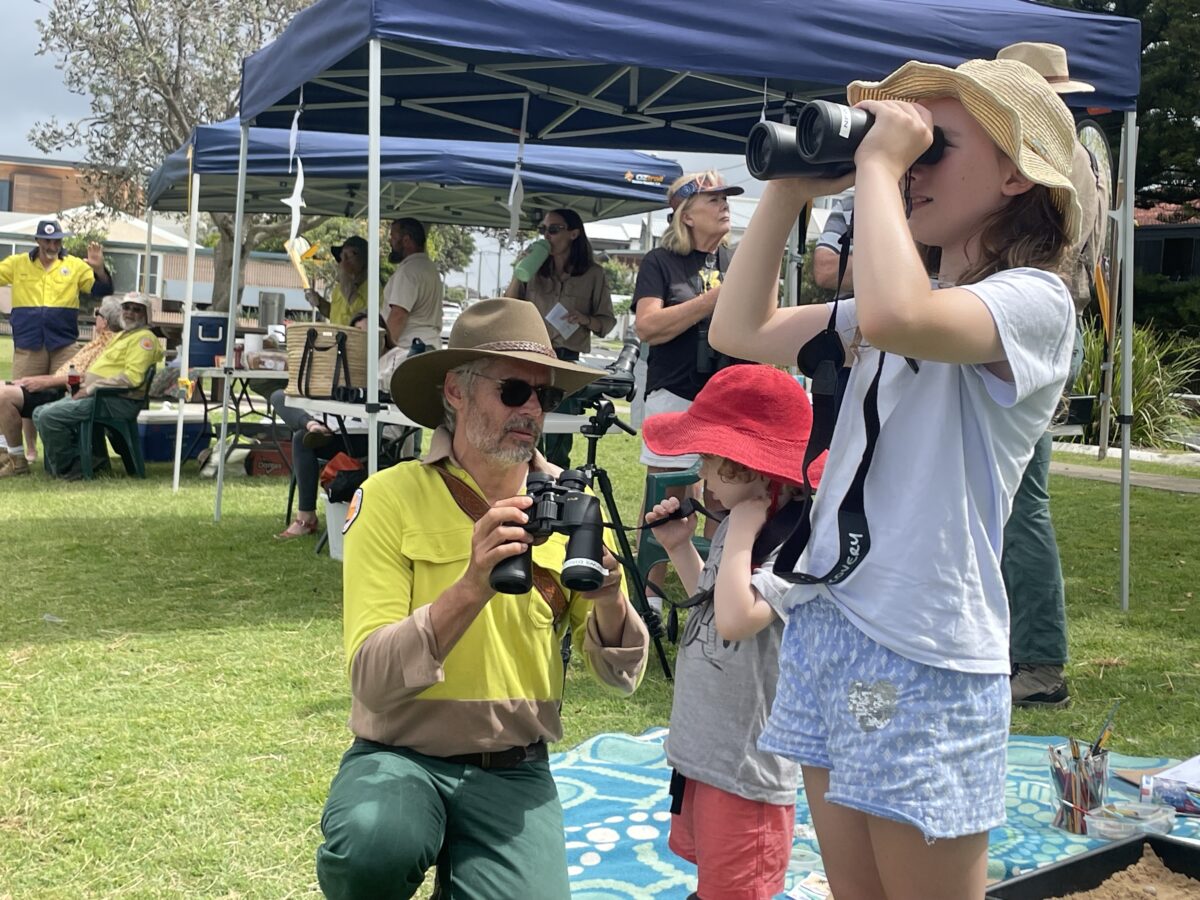
Our Rangers will help you identify the different shore birds through the binocular lens where you can view the birds and their habitat undisturbed. You’ll discover ways in which we can be responsible when interacting with the environment to help protect threatened bird species when nesting and feeding through some fun interactive activities on the day. Some binoculars will be available to use, but please bring your own if you have them.
Stay in the loop by subscribing to the Our Living Coast newsletter and be the first to hear about Dogs Breakfast events happening across your LGA. No bookings required, just join us on the day.

Follow us and stay up to date!
Stay connected throughout shorebird season and discover more about the remarkable birds that visit the Coffs Coast. Follow along for shorebird stories near you, Dog’s breakfast events, species spotlights, migration facts, upcoming events and practical tips for sharing our beaches with wildlife.
We’ll be sharing what’s happening across the coast, introducing you to some of the species you may spot, and highlighting the places they rely on to rest, feed and nest. You’ll also find opportunities to get involved, community activities and simple ways you can help protect shorebirds while enjoying the coast. Follow along, share the message and help us Share the Shore!
Click here to sign up and stay connected with the latest shorebirds news